Last updated November 21, 2026
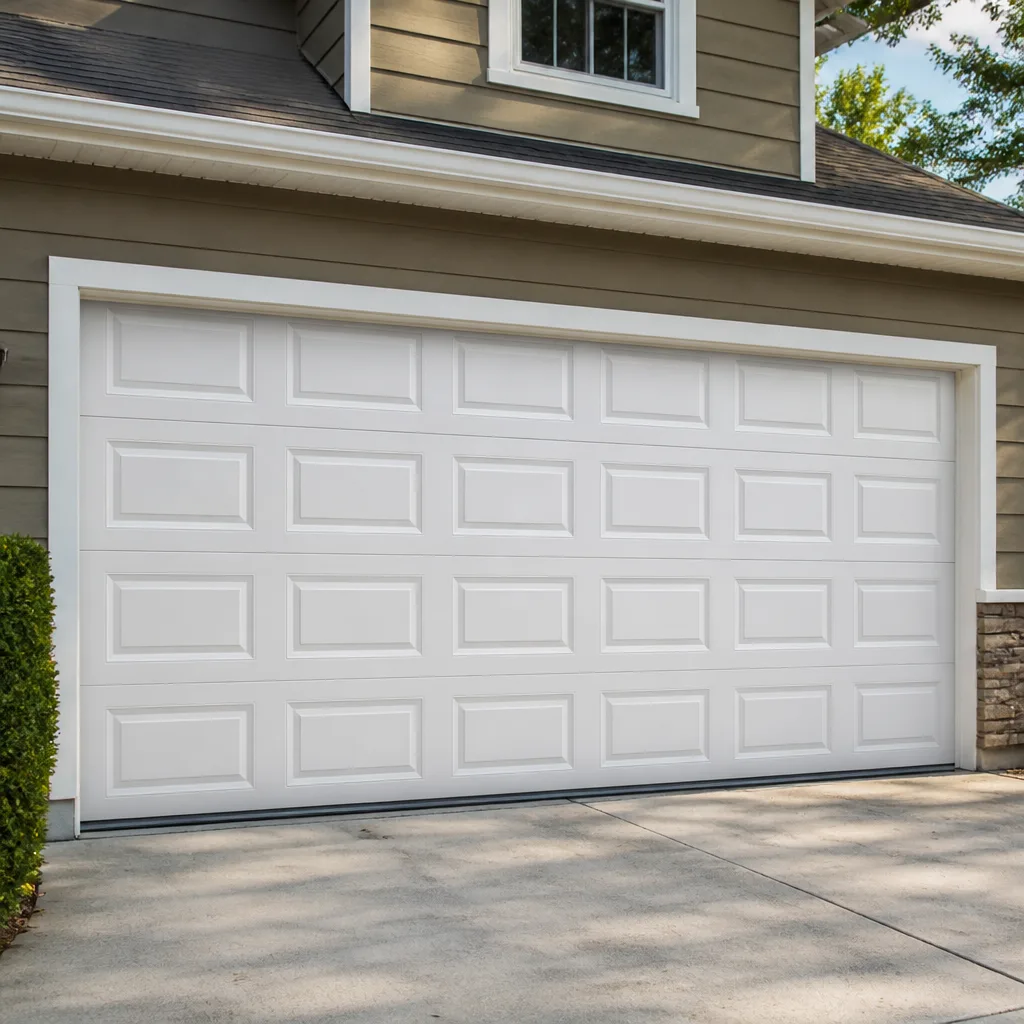 Raised-panel steel
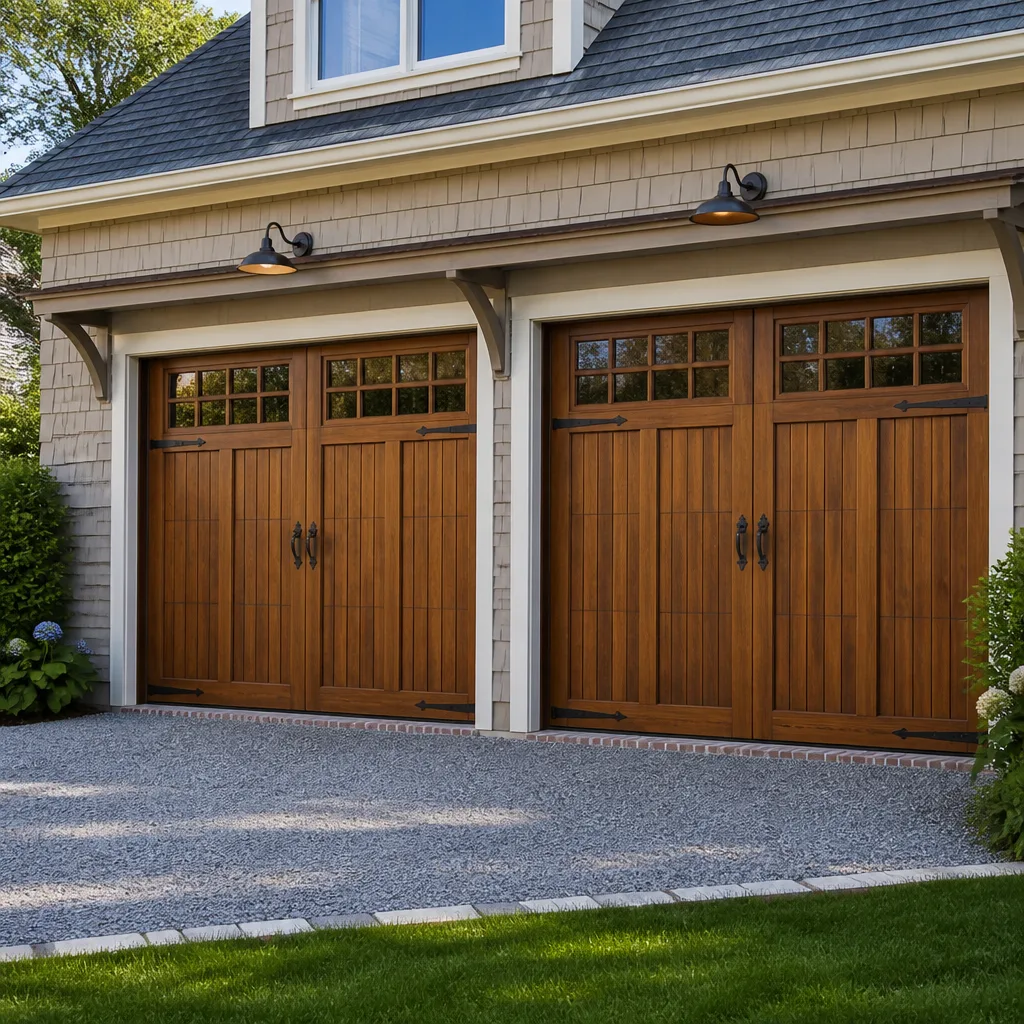 Carriage house
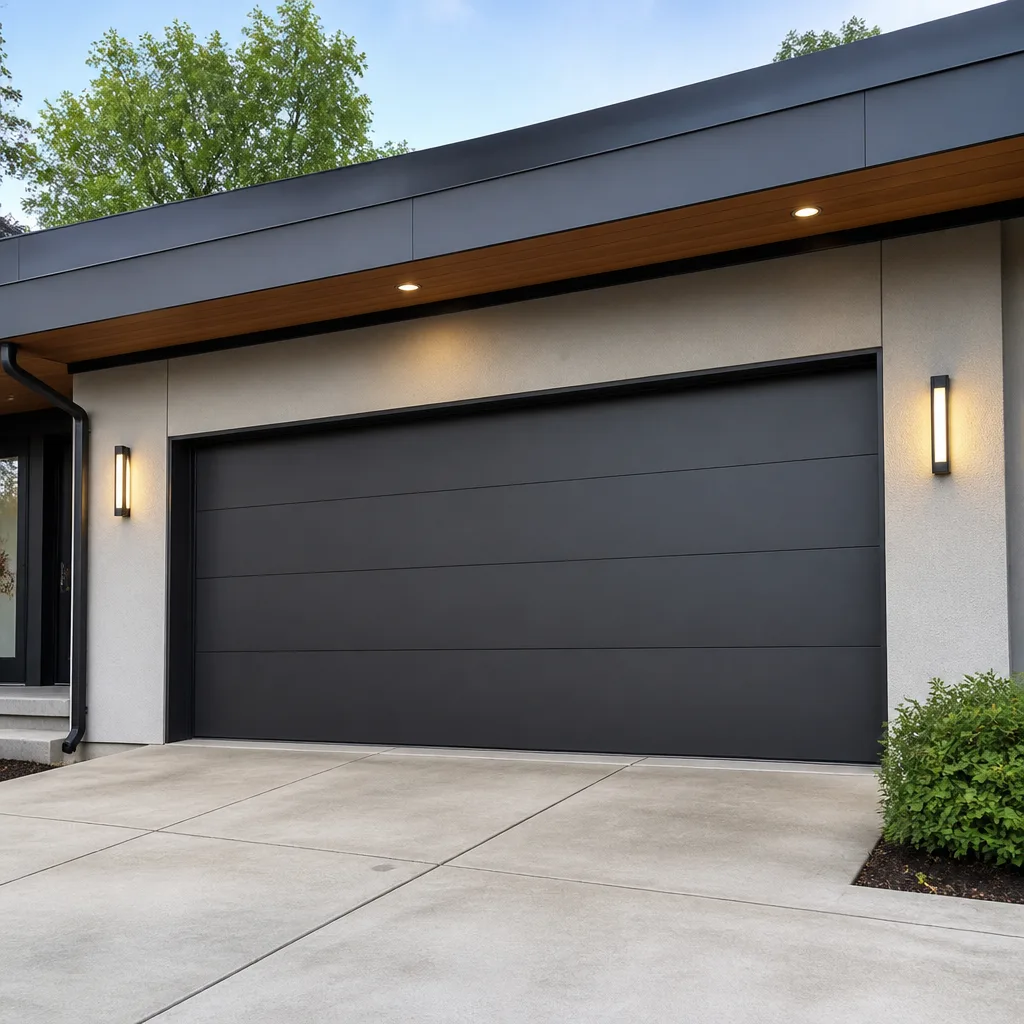 Modern flush
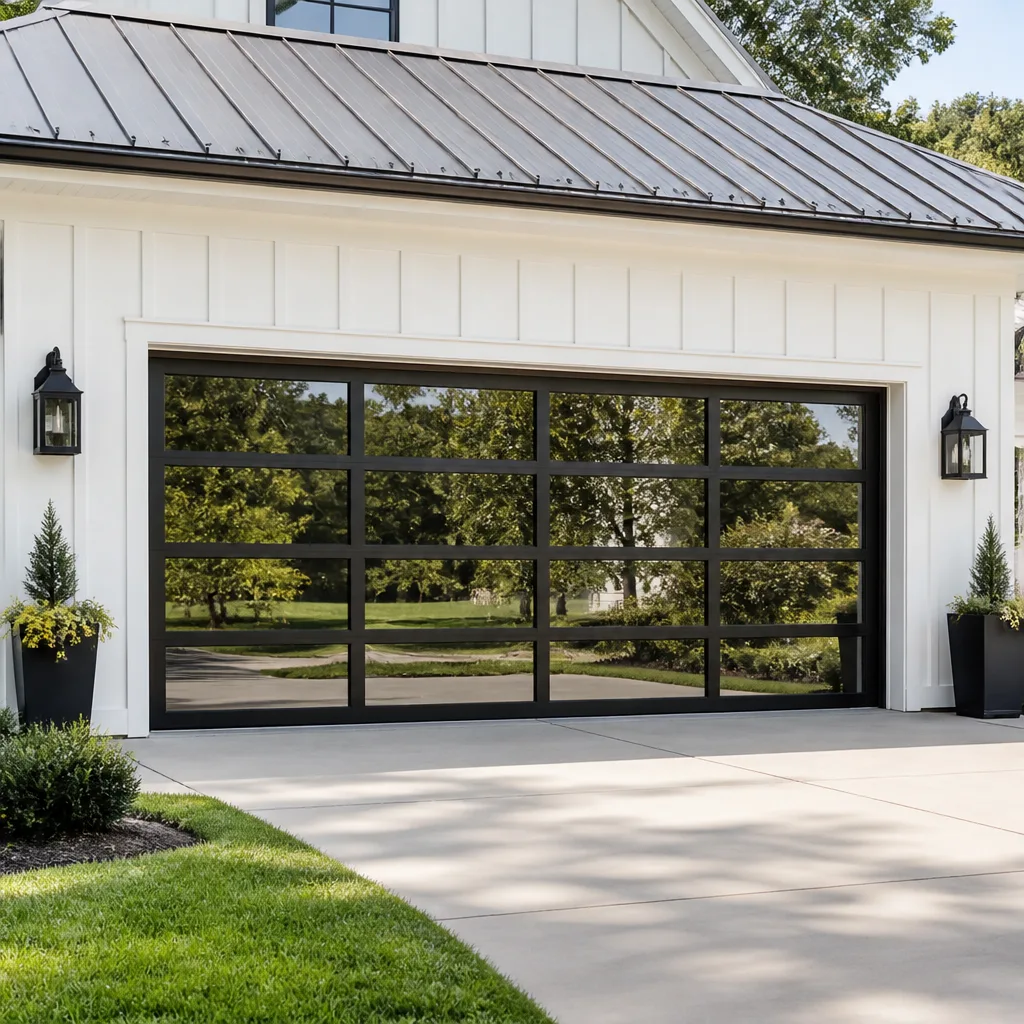 Full-view glass
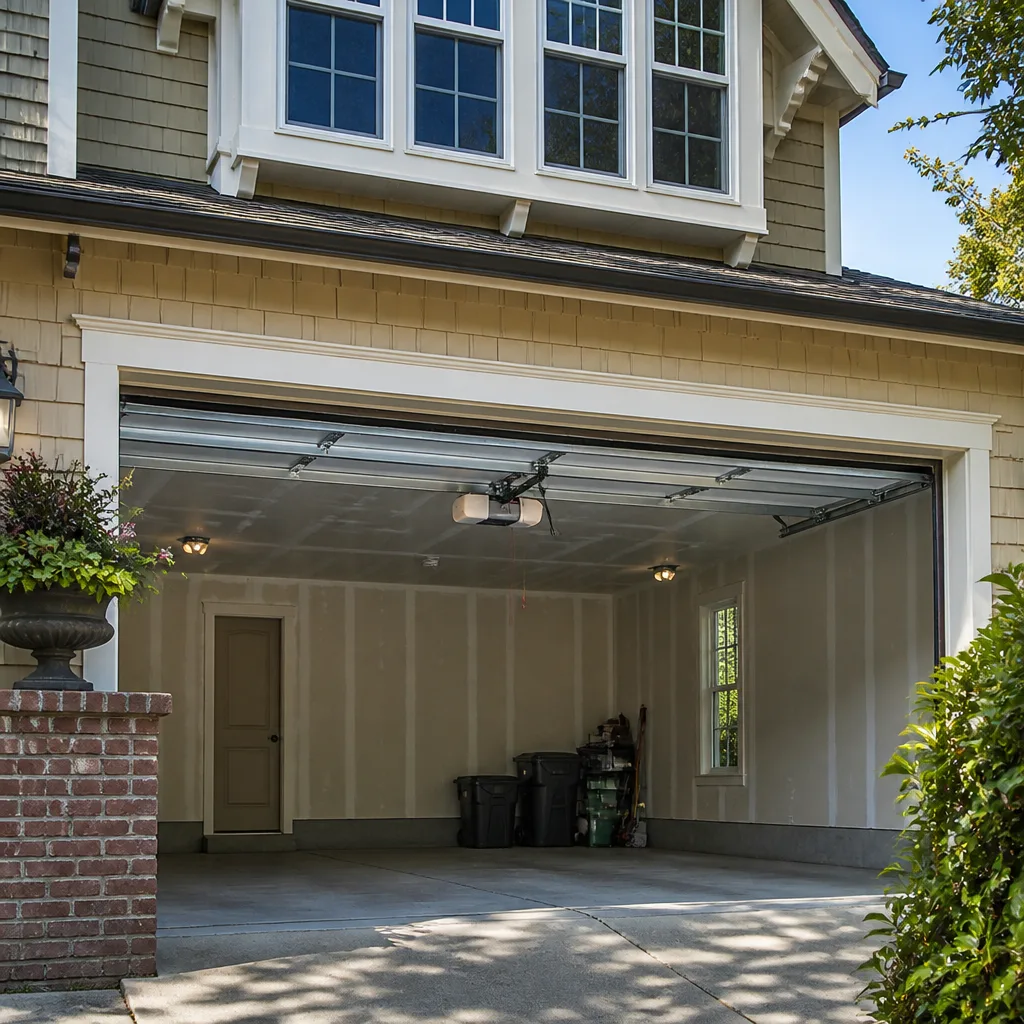 LiftMaster openers
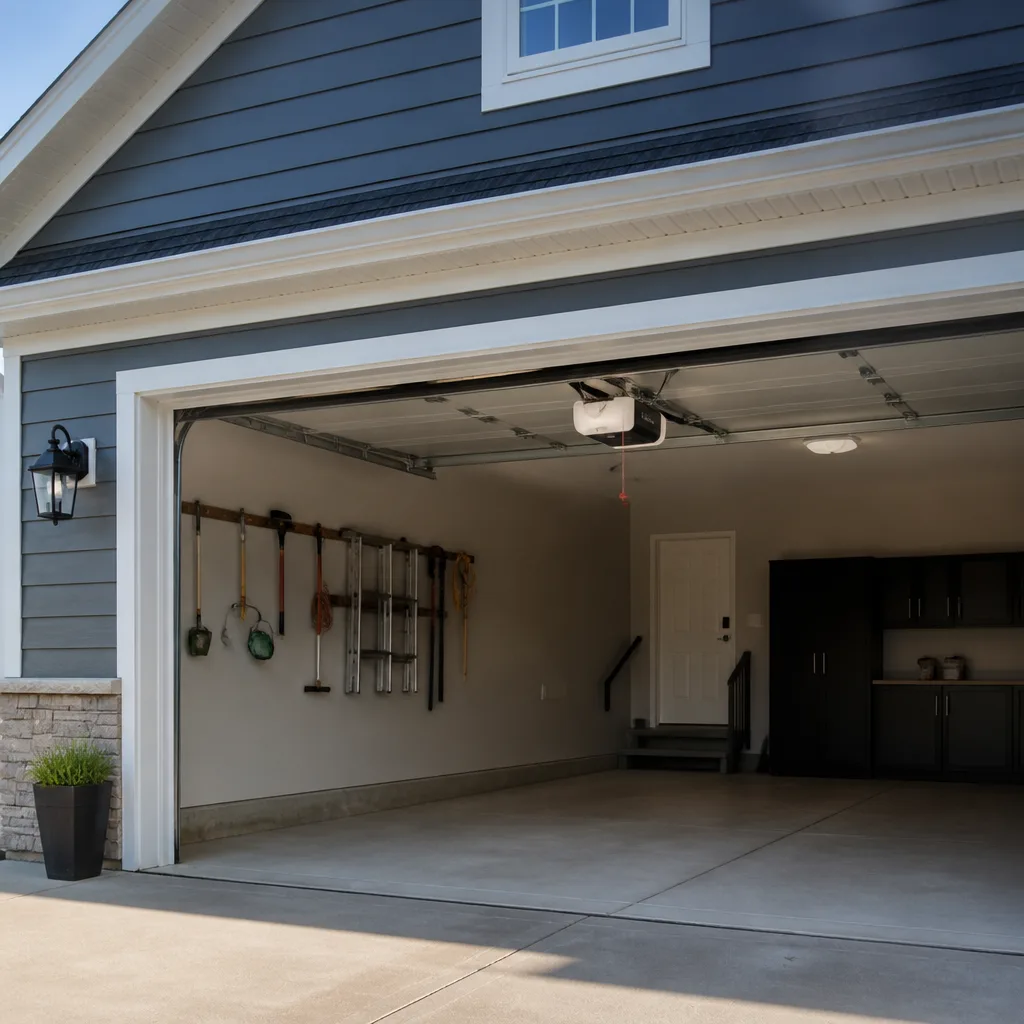 Chamberlain openers
Full 25-point door and opener safety check with every visit - springs, cables, rollers, tracks, and your LiftMaster or Chamberlain opener included
You get a price before we start. It does not change when the pro arrives.
Get your free estimateGarage Door Warning Signs: A Renton Homeowner’s Reference Guide
A garage door doesn’t just break. It spends weeks, sometimes months, telling you it’s about to break, in a language most homeowners never learned to read. That language is made of sounds, speeds, and small visual details: a grind that wasn’t there last month, a door that hesitates before it drops, a gap in a coil of steel you’d only notice if you knew where to look. By the time the door won’t open, it already gave you a dozen chances to fix the problem for a fraction of what a full failure costs. This guide teaches you the vocabulary. It’s written from inside the trade, by people who work on garage doors in Renton every day, and it’s built to help you tell the difference between a sound that can wait a week and one that means stop using the door today.
Quick Answer
The warning signs that matter most are a popping or snapping sound near the top of the door (usually a fatiguing torsion spring), a grinding noise as the door moves (usually rollers or track), a door that has slowed down on the way closed (usually spring tension or a safety sensor), and any visible gap in a torsion spring coil, which means the door should not be used again until a technician inspects it. A clean, quiet, evenly moving door is a healthy door. Any change in sound, speed, or alignment is the door asking for attention. If you’re unsure which category a symptom falls into, call (855) 475-0589 and describe what you’re hearing and seeing. We can usually tell you whether it’s safe to keep operating the door before we arrive.
Styles & brands we work with
- Raised-panel steel
- Carriage house
- Modern flush
- Full-view glass
- LiftMaster openers
- Chamberlain openers
Table of Contents
- The Sound Taxonomy: What Each Noise Actually Means
- The Slow-Close Warning: What a Slowing Door Tells You
- The Torsion Spring Gap: The One Sign That Means Call Today
- Opener Warning Signs and What Each One Points To
- The Visual Inspection Checklist Any Homeowner Can Do
- The Safety Risk Hierarchy: Inconvenience vs. Injury Risk
- Why Renton Doors Age the Way They Do
- Common Mistakes to Avoid
- When to Call a Professional
- Frequently Asked Questions
The Sound Taxonomy: What Each Noise Actually Means
Most homeowners describe their garage door problem with one word: “loud.” That’s not enough information to diagnose anything, and it’s the reason a lot of calls start with a guess and end with a different problem than the one the homeowner expected. The noise your door makes is a fingerprint. Three sounds in particular mean three completely different repairs, and learning to distinguish them saves you money because you describe the problem accurately on the first call.
Grinding
Grinding is metal-on-metal contact, and it usually points to the rollers or the track. A roller with a worn bearing or a flat spot will grind as it travels through the curve where the horizontal track meets the vertical. Track that has been bumped, bent, or knocked out of alignment can also produce a grinding sound because the roller is no longer riding the way it was designed to. Grinding tends to get worse gradually, and it’s usually the cheapest of the three to fix if you catch it early. Left alone, a bad roller scores the track and turns a small repair into a bigger one.
Popping
Popping or snapping, especially right as the door starts to move or reaches the top of its travel, is the sound of a torsion spring losing tension or shifting under load. Springs don’t wear out from use the way tires do; they fatigue from cycles, and a fatigued spring can hold for months and then let go without warning. A single pop that repeats at the same point in the door’s travel is a spring symptom, not a track symptom, and it deserves a professional look because the spring is under extreme tension. This is one of the most common calls we get for garage door spring repair, and it’s also the one where homeowners most often try a DIY fix that turns dangerous.
Scraping
Scraping is a flat, rough sound, almost like something dragging. It usually indicates a panel out of alignment, a hinge or bracket that has loosened, or a door that’s rubbing against the frame because one side has drifted. Scraping is often the most cosmetic-sounding of the three and the most likely to be ignored. That’s a mistake, because a panel that scrapes against the frame is putting uneven stress on the whole opening system, and the longer it drags, the more parts it wears.
Other sounds worth noting
- A rattle that fades as the door moves usually means a loose bolt or a hinge that needs tightening. It’s minor but worth checking before it becomes a scraping problem.
- A squeal or squeak from the opener itself, not the door, often points to the opener’s internal gears or a dry chain. That’s a separate failure mode from door noise.
- A single loud bang followed by the door refusing to move is the classic sound of a torsion spring breaking. Stop operating the door and call.
The Slow-Close Warning: What a Slowing Door Tells You
A door that takes noticeably longer to close than it used to is not simply aging. That’s a symptom. Two things cause a door to slow down on the close cycle: the springs have lost some of their counterbalance, or the safety sensors are intermittently detecting an obstruction and the opener is slowing or reversing to avoid it. Those are different problems, and the way to tell them apart is to watch the door and listen.
If the door is slow on the way down but moves at a normal speed on the way up, that’s the pattern of a spring losing tension. Torsion springs are what balance the door’s weight against gravity. When they weaken, the opener has to work harder to lift the door, and the door can drop faster than it should on the way down. If the door slows or stalls on the way down regardless of speed going up, watch the safety sensors near the floor. One of them may be slightly misaligned, dusty, or blocked by an object that moved into the beam’s path.
Why this matters before the door stops entirely
By the time a door stops moving altogether, the weakening spring has usually been the cause for a while, and the opener has been compensating. That compensating wears the opener out faster. In our experience, a homeowner who calls when the door first starts slowing down pays for a spring repair. A homeowner who waits until the opener gives out pays for a spring repair and opener service. Watching the door’s speed costs nothing and tells you a lot about whether to call now or keep an eye on it.
How to check the sensors quickly
- Look at both sensor lenses near the floor. If you see a small LED that’s steady on both, the alignment is probably fine.
- If one LED blinks or is off, wipe the lens with a soft cloth and see if it comes back on.
- Wave an object through the beam. If the door responds, the sensor circuit is working; if it doesn’t, the sensors likely need adjustment.
- If the door has slowed on the close and the sensors are working fine, the springs are the likely cause. Call a specialist.
The Torsion Spring Gap: The One Sign That Means Call Today
The single most important visual sign on any garage door is a gap in a torsion spring. You don’t need a tool to spot it. Look at the spring assembly above the door, mounted on the wall over the opening (not the springs that run along the track on older single-panel doors). The spring is a coil of steel. If you see a section where the coil has visibly separated, or the spring has split into two pieces, that spring has failed. The door may still open because the opener is strong enough to drag it, but the door is no longer balanced, and it is not safe to keep using.
Why the gap matters so much
A working torsion spring is wound under significant tension. That tension is what makes the door feel light in your hand. When the spring fails, the door’s full weight is suddenly on the opener and the cables. Continuing to use the door in that state puts uneven stress on the cables, the drums, and the opener, and it can cause the door to fall uncontrolled. It’s not a repair to postpone to next weekend.
What a homeowner can safely check and what they shouldn’t
You can look at the spring from the floor. You can point at the gap and photograph it for a technician. What you should never do is touch the spring, try to wind or unwind it, or attempt to remove it. Torsion and extension springs are among the most dangerous components in any home garage door system, and spring work is the single most common job that goes wrong for DIY repairers. Our technicians handle spring repair with the specific tools and restraint procedures the job requires. If you see the gap, close the door carefully by hand if you can do so without force, and call (855) 475-0589.
Opener Warning Signs and What Each One Points To
Your opener has a vocabulary of its own, and it’s separate from the door’s. Three symptoms in particular get mixed up by homeowners, and each points to a different failure mode. If your opener is acting up, the right move is to describe the exact symptom, not the general “it’s broken,” because the diagnosis is often different for each.
Intermittent response
If the door responds to the wall button but not the remote, or responds to some remotes but not others, or works sometimes and not others, the problem is usually in the opener’s receiver, the remote battery, or interference. Sometimes it’s a logic board issue. Intermittent response is rarely the door itself; it’s the opener’s electronics or the signal path. The fix is usually in opener diagnosis, not door hardware.
Reversed direction
A door that starts to close and then reverses back up on its own is almost always responding to a safety sensor. Either an obstruction is in the beam’s path, one sensor has drifted out of alignment, or the sensor’s lens is dirty. Travel limits on the opener can also cause reverse travel if they’ve drifted. Reversed direction is a safety feature, not a fault, but it means the sensor circuit is being triggered. Ignoring it means living with a door that won’t close reliably, which is a security problem as much as a convenience one.
Mid-travel stops
A door that stops partway through its travel and stays there is the third distinct symptom. That can point to the opener’s travel limits being set wrong, a binding door that the opener detects as excessive resistance, or a failing logic board. It’s the one of the three that most often overlaps with a door-side problem, so if you see mid-travel stops, it’s worth having both the opener and the door examined together.
We work on openers from the brands most commonly installed in Renton homes, including LiftMaster, Chamberlain, Genie, and Craftsman, so the technician arrives familiar with the logic and the parts. For a focused diagnosis, see garage door opener repair.
The Visual Inspection Checklist Any Homeowner Can Do
You don’t need to be a technician to catch most of the warning signs. A quick, careful walk-around once a month is enough to spot the changes that matter. Do this from the floor, with the door closed, and never reach into moving parts or try to adjust anything yourself. If anything on this list looks wrong, stop and call.
- Look at the torsion spring gap. Check for a visible separation in the coil above the door. A gap means call today.
- Watch the door lift and lower from the side. The door should move evenly, without hesitation, wobble, or sideways drift.
- Listen for a change in sound. Compare today’s grind or pop to what you remember from last month. A new noise is the signal.
- Check the safety sensors. Both lenses near the floor should show a steady light. Wipe them clean with a dry cloth if either is dull.
- Look at the rollers and hinges. From the floor, note any roller that looks cracked or flat, or a hinge that’s visibly loose. Don’t tighten it yourself unless you’re comfortable with basic hand tools.
- Look at the cables. Cables should be taut and evenly wound. A frayed or slack cable is a stop-and-call sign, same as a spring gap.
- Test the manual release. With the door closed, pull the release handle (standing well clear) and lift the door by hand. It should feel balanced and light. If it feels heavy, the springs are losing tension.
Most of these checks take ten minutes and don’t require any tools. The value is in doing them consistently. A photograph of your spring and cables from six months ago is a useful comparison for the next time you look. Note what you see and how the door feels, and you’ll spot the change the first time it happens instead of the third.
The Safety Risk Hierarchy: Inconvenience vs. Injury Risk
Not every warning sign belongs in the same category. Some are cosmetic, some are money savers, and some mean the door should not be used again until a technician has inspected it. This hierarchy is what separates a homeowner who has a door problem from a homeowner who has a door problem and a reason to stop operating it today.
Category 1: Cosmetic or schedule-ahead
- A rattle from a loose bolt or hinge
- A squeak from a dry opener chain
- A single roller that’s worn but the door still moves smoothly
- A scratch or scuff on a panel from something brushing it
These are worth fixing, but they aren’t emergencies and they don’t require you to stop using the door.
Category 2: Fix this week
- Grinding or scraping that’s new and getting worse
- A door that slows noticeably on the way down
- Intermittent opener response
- A door that occasionally reverses on the way down
- A door that stops mid-travel
These are usually safe to keep using for a few more days while you schedule a repair, but they aren’t problems to defer for a season. A grinding roller becomes a scored track. A slow-closing spring becomes a broken spring.
Category 3: Stop using the door now
- A visible gap or separation in a torsion spring
- A single loud snap followed by the door refusing to open
- A door hanging unevenly from one side or off the track
- A frayed, slack, or detached cable
- A door that has dropped and will not open
These are injury risks, not conveniences. A door under unbalanced tension can drop without warning, and a snapped spring or broken cable is under enough force to injure anyone standing nearby. If you’re in this category, don’t cycle the door, don’t try to lift it, and call. If the door creates a security or access problem, our emergency service exists for exactly this situation. Call (855) 475-0589 and describe what you’re seeing.
Why Renton Doors Age the Way They Do
Garage doors in Renton live a particular kind of life. The Pacific Northwest’s wet months, the freeze-thaw cycles in the colder stretches, and the long gray season all put cycles on a door that homeowners in dry climates don’t see. Rain and dampness work at the paint on wood doors, the seals around the bottom edge, and the hardware at the hinges. A wooden door that sees regular moisture needs attention to its finish before it needs attention to its panels. A steel door in Renton is generally the easier one to keep, but it’s still going to see more rust at the bottom corners than a door in a drier climate would.
The result is that doors in Renton age slightly differently than the manufacturer’s rough cycle estimate suggests. We generally see more requests for seal replacement and finish care than for springs failing on schedule, and the doors in older Renton neighborhoods (Renton Highlands, Kennydale, and the older parts of the Renton Hill area) tend to be the ones where a door has been around long enough to have been repaired more than once. Newer construction in the Renton area often comes with a steel door that was installed with the home, and those doors are reaching the age where the first spring replacement is coming up.
None of this changes the warning signs themselves. It changes how often to check. A wooden door in a wet Renton winter is the one we’d look at most often for seal and finish issues. A steel door in a newer RenTon development is the one we’d watch for opening-balance changes as the spring reaches the end of its cycle life. Checking monthly costs you ten minutes.
Common Mistakes to Avoid
- Assuming a loud door is just a loud door. Every door makes some noise. The signal is a change in the noise, not the noise itself. Compare this month’s sound to last month’s, and treat a new grind or pop as a call-worthy symptom.
- Treating a slow closing door as normal aging. It’s a symptom of a weakening spring or a sensor issue. Waiting for it to stop entirely usually means paying for a spring repair plus extra wear on the opener.
- Watching the spring but not the cables. The spring gap gets all the attention, but a frayed or slack cable is just as serious. Check both from the floor.
- Attempting spring or cable work yourself. These parts are under extreme tension. A torsion spring that’s improperly handled can cause serious injury. This is the job that most reliably goes wrong for homeowners, and it’s the one most worth paying a specialist for.
- Replacing a door when the repair is still the right fix. A door with a broken spring is a repair, not a replacement. In our experience the pressure to replace comes from a diagnosis made without looking at the rest of the door’s condition. A specialist will tell you when a repair is the right answer.
- Ignoring a door that reverses on the way down. That’s your safety sensor working correctly, but it’s a sign the circuit needs attention. A door that won’t close is a security issue, not just a hassle.
- Using an opener brand you don’t have the manual for. Opener travel limits and remote programming differ across brands. If you’re not sure what opener you have, a technician who knows the major brands (LiftMaster, Chamberlain, Genie, Craftsman, and others) can diagnose it faster than a generalist.
When to Call a Professional
Call a professional when the door makes a new sound you can’t identify, when the spring shows any visible gap, when a cable looks frayed or slack, when the door hangs unevenly, when the opener reverses or stops mid-travel, or when the door won’t close all the way. Those are the situations where the risk of continuing to operate the door outweighs saving a service call. If the door is completely stuck and creates a security or access problem, our emergency garage door service exists for that exact case. If the door is loud but moving, a standard appointment is usually the right fit.
Renton Garage Door Repair Co offers free estimates in Renton. Call (855) 475-0589 and describe what you’re hearing and seeing. Our technicians have up to 15 years of experience, and we work on doors and openers from the brands that show up most in Renton homes, including Raynor, LiftMaster, Chamberlain, and Craftsman. For a more focused repair conversation, see garage door repair.
Frequently Asked Questions
A visible gap or separation in a torsion spring coil is the most serious sign you can spot from the floor. It means the spring has failed and the door is no longer balanced. Stop using the door and call (855) 475-0589 for an inspection.
Spring repair in the Renton area typically costs around $180 to $340 for one spring, depending on the door and the spring type. If two springs are matched and replaced together, the pair usually costs roughly twice that range. Call (855) 475-0589 for a free estimate; the written estimate sets the final price before any work starts.
Sometimes, but it depends on the noise. A rattle from a loose bolt or a squeak from a dry chain can often be handled with a wrench and some lubricant. A grinding, scraping, or popping noise should be examined by a technician before you touch anything, because those sounds point to parts that are under load and can be dangerous to adjust incorrectly.
Likely, yes. A door that closes noticeably slower than it used to is usually showing a weakening spring or a sensor that’s starting to fail. The right move is to check the safety sensors first (both lenses near the floor should show a steady light), and if the sensors are fine, call a specialist. Waiting for the door to stop entirely usually means a bigger repair bill.
Yes. The wet stretch of the year in Renton puts more wear on door seals, paint, and hardware than drier climates do, and freeze-thaw cycles add stress on the opening system. We recommend a monthly visual check and a closer look at the spring and cables at the start of the wet season. Call (855) 475-0589 if you spot anything that looks off.
No. The written estimate sets the final price before any work starts. If the diagnosis changes once the door is opened up, we’ll explain what we found and what the new written price is before any additional work begins. Call (855) 475-0589 for a free estimate.
Yes. We work on openers from the major brands, including LiftMaster, Chamberlain, Genie, and Craftsman, along with the other leading brands. Being familiar with the specific opener means the technician can diagnose faster and source the right parts without guesswork. Call (855) 475-0589 to schedule.
Yes, and it’s an important distinction. Intermittent response, reversed direction, and mid-travel stops are all opener-side symptoms and point to different failure modes than grinding, popping, and scraping, which are door-side symptoms. If you’re not sure which side is the cause, tell us what you’re seeing and we’ll help narrow it down. Call (855) 475-0589.
The Bottom Line
Your garage door talks to you before it fails. The grind means rollers or track. The pop means a spring is fatiguing. The scrape means alignment. The slow close means spring tension or sensor. The gap in the torsion spring means stop the door today. Learning that vocabulary lets you make better decisions about timing, spending, and safety, and it means a call to a specialist gets you a faster, cheaper repair. If you take nothing else from this guide, take this: check the spring and cables once a month, listen for a change, and treat a new sound as an early warning rather than an annoyance.
If anything on this page matches what you’re seeing or hearing, don’t wait until the door won’t open. For a full-service garage door specialist in Renton, from warning-sign diagnosis to full replacements, we handle repair, opener repair, spring repair, and garage door installation under one team. Visit Renton Garage Door Repair Co or call (855) 475-0589 for a free estimate. We’ll listen to what your door is telling you and give you the right fix, not the easy one.
Written by the team at Renton Garage Door Repair Co.
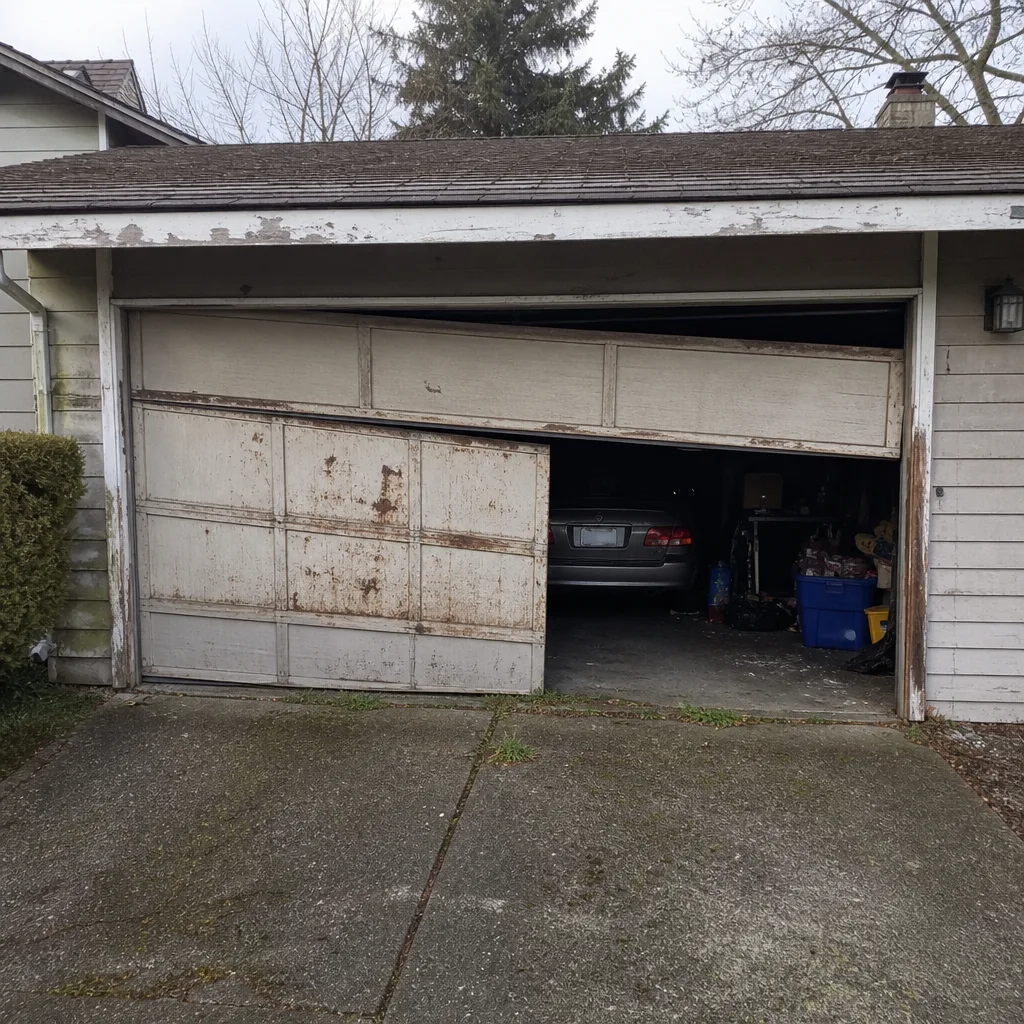
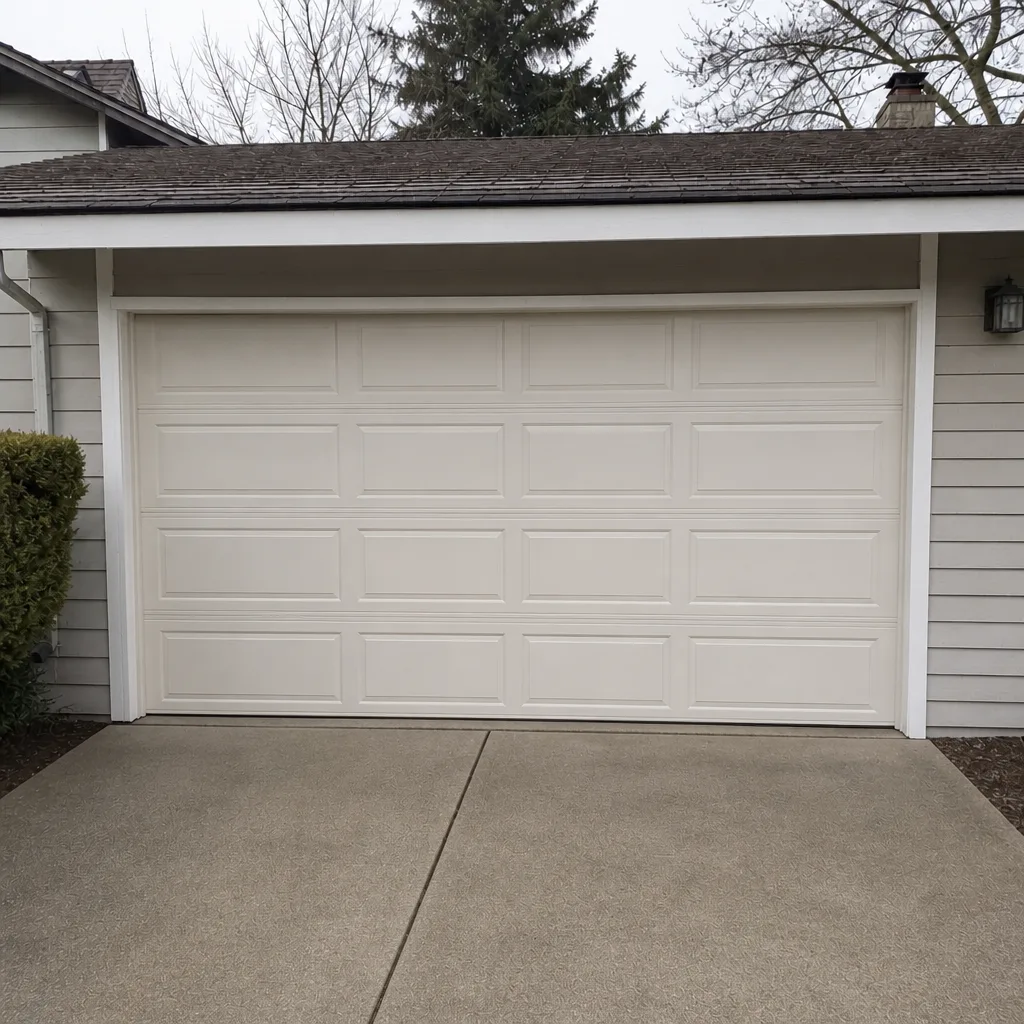
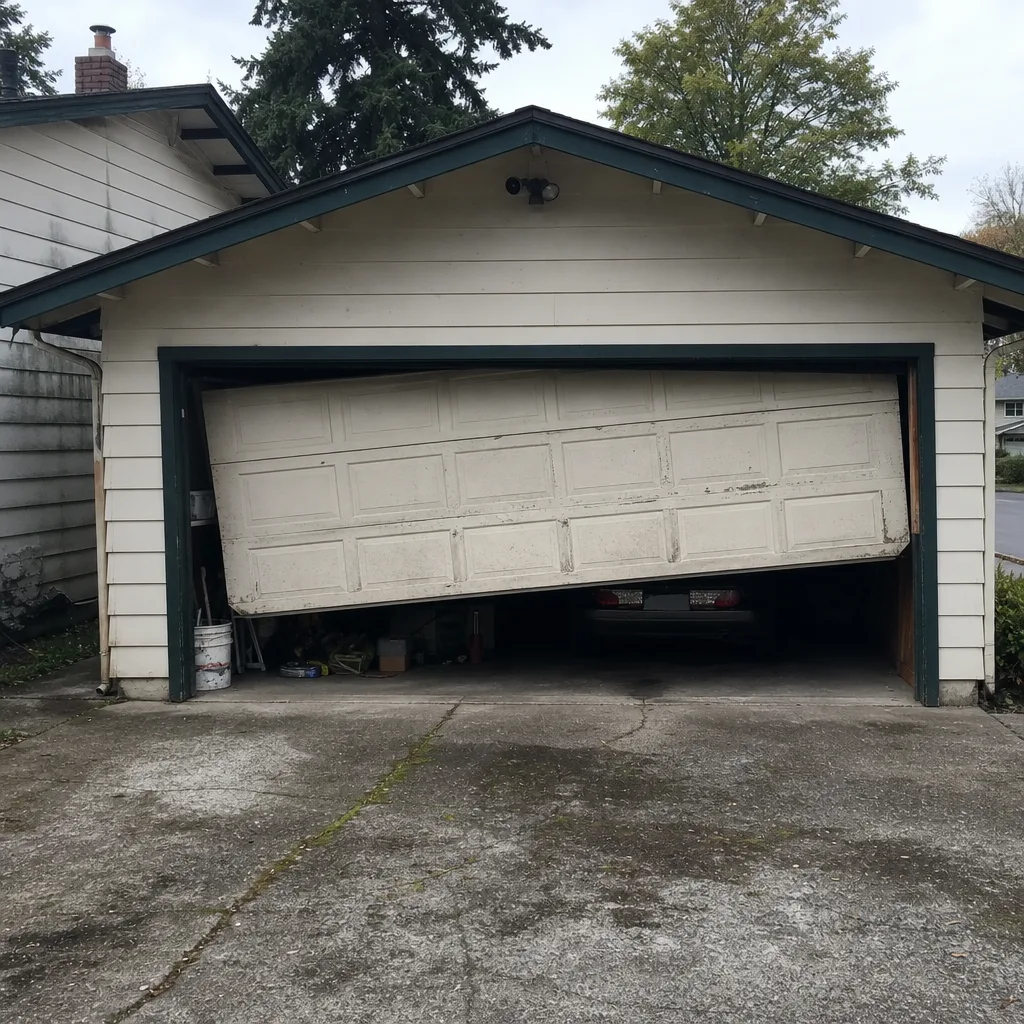
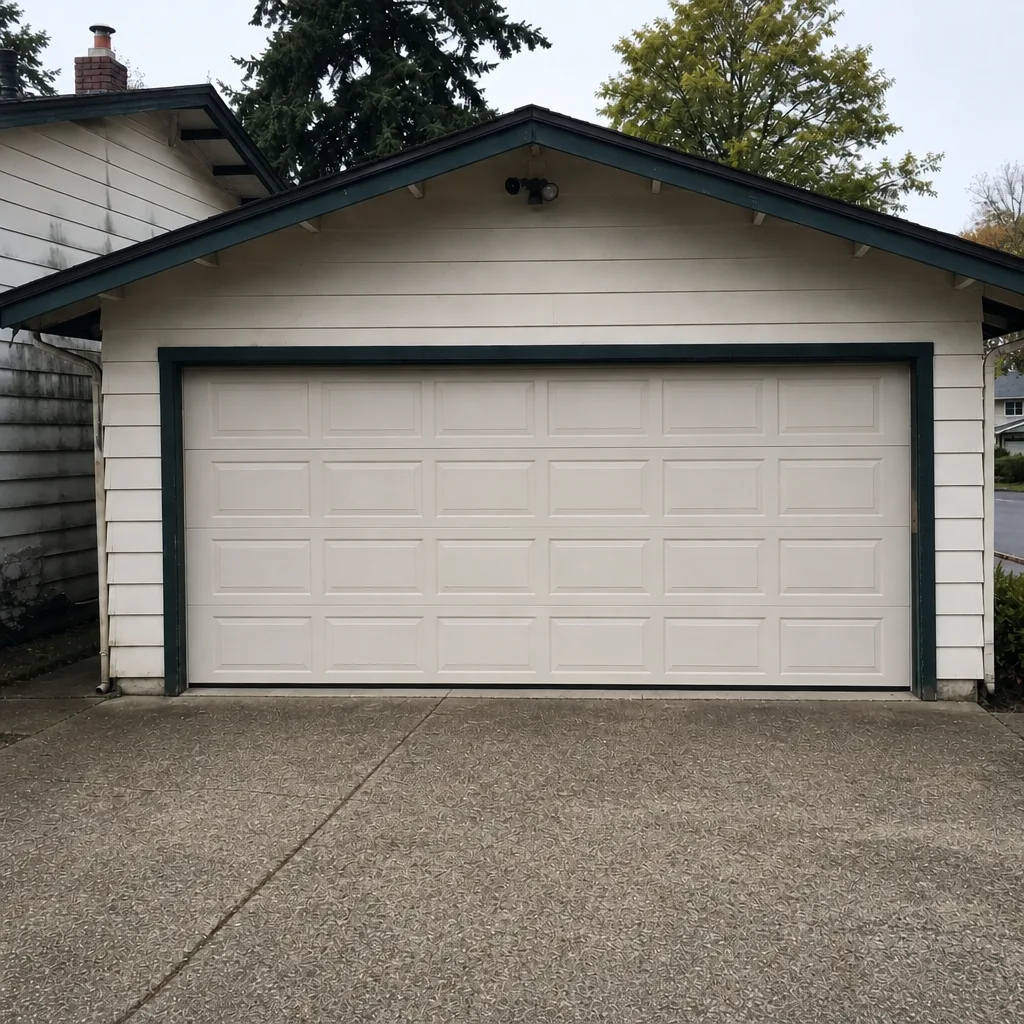
See the difference
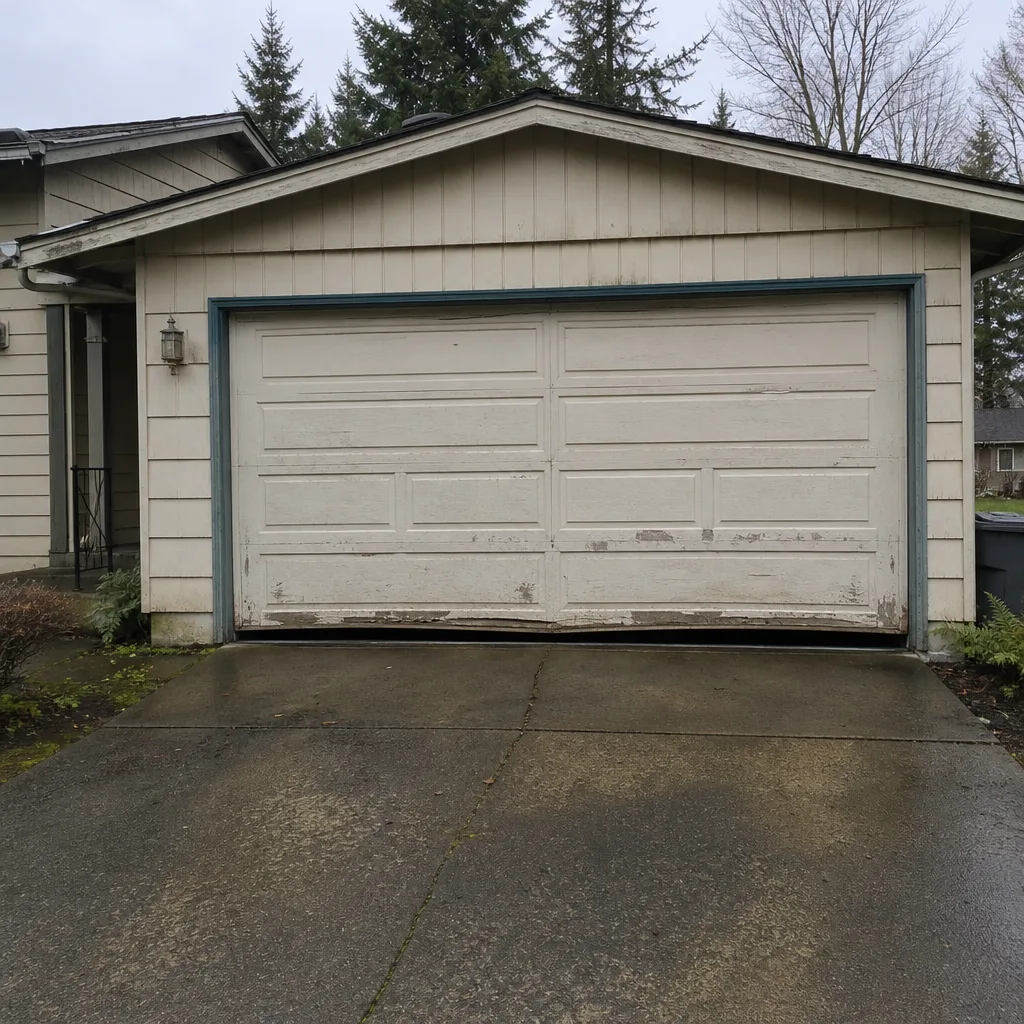 Before
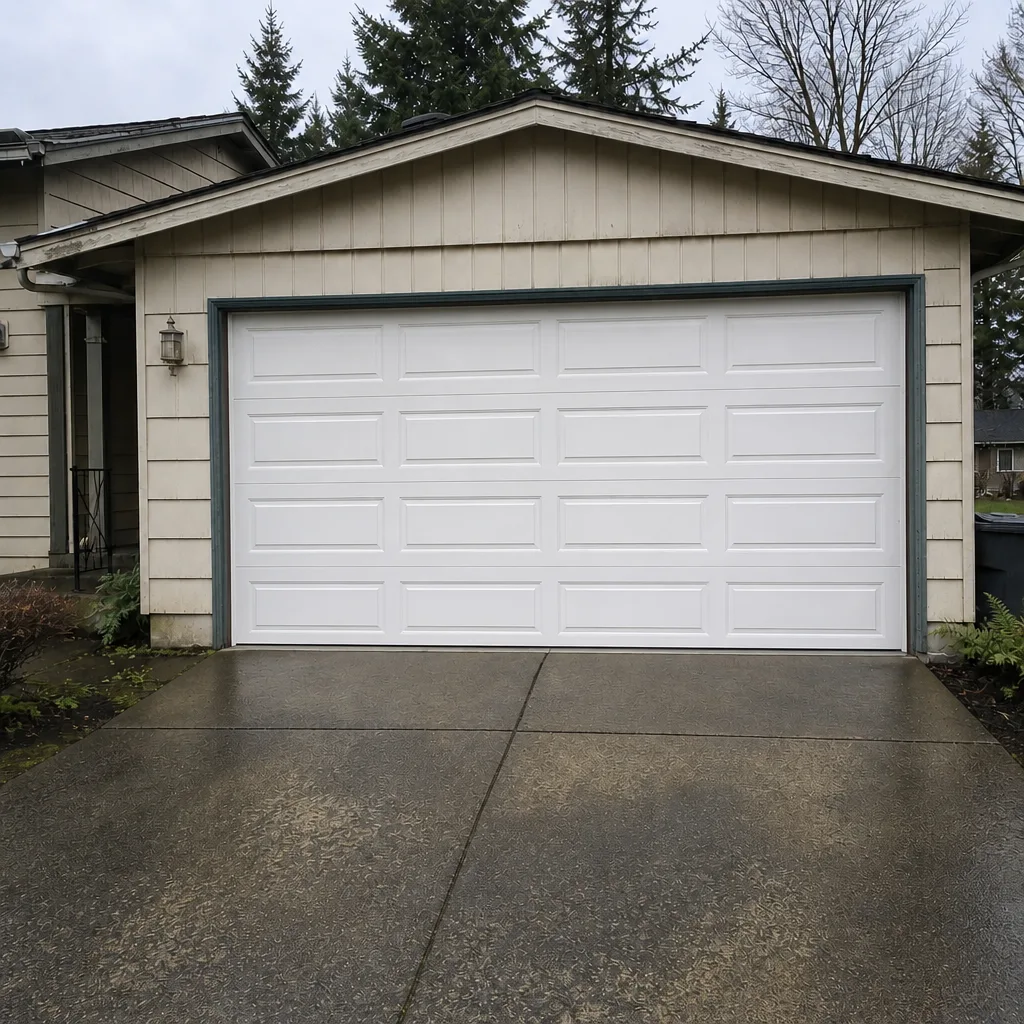 After
 Before
 After
 Before
 After